Where Asbestos Hides in Pre-2000 Structures
If your structure was placed up prior to 2000, asbestos might be concealing in distinctive ceilings, pipe and central heating boiler insulation, vinyl floor ceramic tiles, flooring adhesives, wallboards, plaster, and even home window caulking. You'll likewise discover it in furnace panels, electric panel backing, and duct wrap. Disturbing these products releases dangerous fibers, so never ever touch or break believed areas. dilapidations strip out Quit working, maintain individuals away, and call certified experts for analysis. There's a lot even more to recognize to keep everyone safe.
Takeaways
- Asbestos is commonly located in insulation around pipelines, central heating boilers, and ducts in pre-2000 structures.
- Vinyl floor ceramic tiles, adhesives, and some linoleum floor covering might consist of hidden asbestos fibers.
- Textured ceiling layers, ceiling floor tiles, and specific wallboards usually have asbestos products.
- Window caulking, weather-resistant sealants, and glue mastics can be asbestos-containing.
- Electrical panels, circuit box, and backing boards in older structures might hide asbestos elements.
Why Was Asbestos Utilized in Pre-2000 Structures?
Enter the building methods of the past, and you'll discover that asbestos was commonly used in pre-2000 buildings as a result of its impressive properties— it's fire-resistant, sturdy, and an reliable insulator. When you analyze why it ended up being so prevalent, you'll see it was driven by strong commercial need. Asbestos fulfilled stringent technical requirements: it can withstand high temperature levels, resist chemical rust, and reinforce building and construction materials without adding excessive weight. Nevertheless, the wellness effects weren't fully comprehended or recognized at the time. Asbestos fibers, when disrupted, can come to be airborne and present considerable respiratory threats. Despite the fact that safety and security worries are now at the leading edge, back then, the emphasis was on performance and cost. That's why you'll typically locate asbestos in older construction, despite its recognized dangers today.
Where Asbestos May Be Concealing Inside
Within the walls and structures of pre-2000 structures, asbestos typically prowls in places you may not anticipate. You'll generally encounter it in old insulation materials around pipelines, boilers, and ducts— these were valued for their fire-resistant high qualities. Examine home window caulking also; asbestos was often contributed to improve resilience and weather resistance. Flooring products such as plastic ceramic tiles, adhesives, and even some linoleum might likewise include asbestos fibers. Electrical panels, circuit box, and backing for electrical switchboards sometimes integrated asbestos for included fire security. You shouldn't disrupt any kind of suspicious products, as also minor damages can launch unsafe fibers into the air. Always consult a licensed professional before attempting any remodellings or fixings in these areas to make sure your security and compliance with regulations.
Surprise Asbestos in Ceilings and Wall surfaces
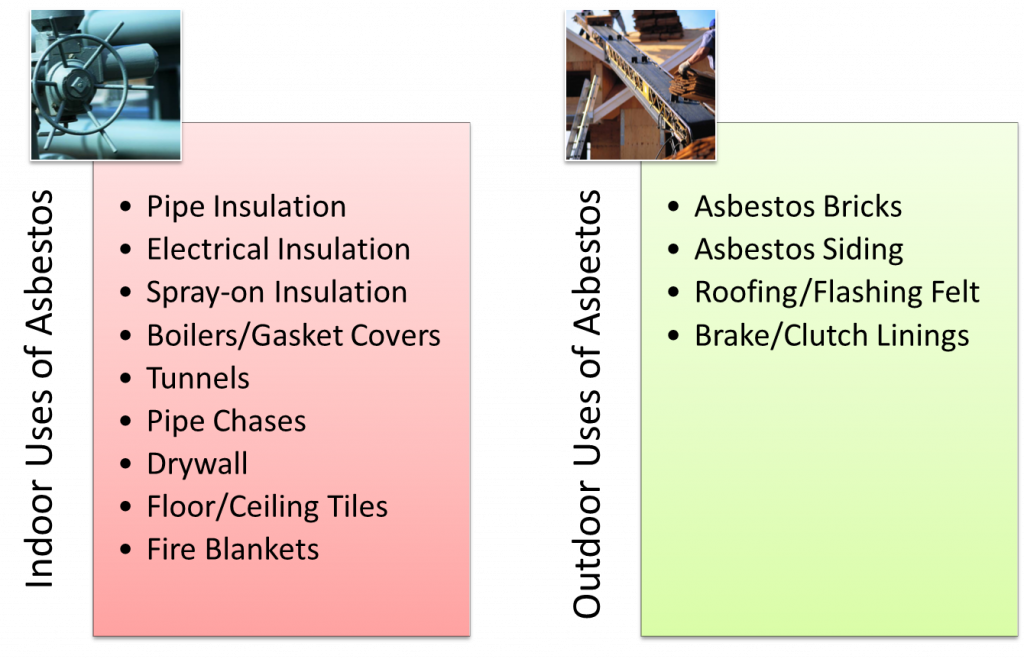
You'll need to be alert to asbestos-containing products hidden in both ceilings and wall surfaces, especially in pre-2000 structures. Distinctive ceiling tiles and specific wallboards frequently integrate asbestos fibers, which can be released if these materials are interrupted. read more It's critical to assess these areas thoroughly before any restoration or upkeep job starts to stop air-borne direct exposure.
Textured Ceiling Floor Tile Risks
Although distinctive ceiling tiles may appear safe, several mounted prior to 2000 contain asbestos fibers concealed within their coatings or substrates. If you interrupt these ceramic tiles during improvements or popcorn elimination, microscopic asbestos fibers can come to be air-borne, increasing significant wellness risks. Even small fractures or repair services in distinctive ceilings might launch these unseen dangers. Asbestos exposure isn't quickly evident, however its long-lasting impacts— like lung illness and cancer cells— can be devastating.
Risk
Consequence
Troubling textured ceilings
Invisible fiber launch
Do it yourself snacks removal
Household health threatened
Inadequate defense
Persistent breathing issues
Postponed detection
Late-stage ailment
Constantly consult certified professionals before any type of ceiling work. Do not risk your security or that of others— screening is the only means to confirm asbestos visibility. Prevent unneeded exposure by focusing on proper assessment and safe removal procedures.
Hidden Wallboard Asbestos Sources
If your building predates 2000, there's a substantial opportunity that asbestos is hiding not simply in evident materials, yet likewise within wallboard, joint substances, and also behind ornamental coatings. Hidden wallboard asbestos resources are usually overlooked, as asbestos fibers were commonly mixed into plaster, wallboard, and concealed drywall during building and construction to improve fire resistance. Be mindful that not all asbestos is visible; it can be embedded within layers or as a friable backing on wall surface panels. Disturbing these products during restorations or fixings can release harmful fibers into the air. Constantly presume hidden drywall and joint substances might contain asbestos unless professionally examined. For security, never ever sand, cut, or demolish these surfaces without a licensed asbestos analysis and suitable control procedures.

Asbestos Threats in Floor Covering, Tiles, and Adhesives
Frequently ignored, floor covering products, ceramic tiles, and adhesives in pre-2000 structures can nurture significant asbestos dangers. You'll often locate asbestos in vinyl floor covering, specifically in older 9-inch or 12-inch ceramic tiles, in addition to in the backing or underlayment. Adhesive mastics made use of to safeguard these floor tiles frequently contained asbestos fibers to improve toughness and longevity. When you disrupt or remove these products— by sanding, cutting, or scratching— you run the risk of launching harmful asbestos dust right into the air. Also intact ceramic tiles and mastics can degrade in time, raising exposure danger. Constantly think suspicious floor covering contains asbestos unless validated or else by a lab. Never ever attempt DIY elimination; improper handling increases danger. Employ licensed experts learnt secure asbestos identification and abatement to secure on your own and others from direct exposure.
Pipes and Heating: Forgotten Asbestos Areas
You may not realize it, yet plumbing and furnace in pre-2000 buildings can conceal substantial asbestos hazards. Asbestos was frequently utilized in boiler lagging to offer warm resistance and insulation. If you experience old central heating boilers, their external treatments might consist of asbestos fibers, which can come to be airborne throughout upkeep or elimination. Heating system insulation is one more neglected danger; older heaters typically have asbestos-based panels, covers, or gaskets. https://eastfinchleyasbestosremoval.co.uk/services/refurbishment-demolition-survey.html Also pipework in cellars or service locations could feature asbestos-wrapped joints and joints. If these materials are damaged or deteriorating, they position a high danger of fiber launch. Constantly avoid disturbing questionable insulation and consult certified experts for examination or elimination. Prioritizing security is important to avoid unsafe asbestos direct exposure in these ignored building systems.

Asbestos in Roof and Exterior Products
Although they often go undetected, roof and outside building products in pre-2000 structures can offer severe asbestos risks. You'll find that asbestos was typically used in roofing membranes to boost resilience and fire resistance. These membranes, normally discovered under roof tiles or tiles, can release unsafe fibers if disrupted throughout repair work or weather condition damage. Exterior soffits-– those panels under the eaves— were additionally often made with asbestos for their protecting and weatherproof top qualities. If you're working with or near these components, it's essential to prevent sanding, drilling, or reducing, as even small disturbance can trigger asbestos fibers to come to be airborne. Constantly make use of ideal individual safety devices and get in touch with qualified experts before attempting any type of deal with suspected asbestos-containing roof or outside soffit products.
How to Detect Signs of Asbestos in your home
Within pre-2000 homes, determining prospective asbestos-containing materials requires mindful focus to both visible functions and installation days. Begin your aesthetic evaluation by concentrating on textured ceilings, pipe insulation, floor ceramic tiles, and old cement sheets. Asbestos can't be identified by view alone, however suspicious materials typically appear coarse, weak, or have actually a woven appearance. Look for areas where products appear aged, damaged, or falling apart— these problems might launch dangerous air-borne fibers. Don't forget covert locations such as behind paneling or inside boiler cabinets. If you understand the installment year, products made use of before 2000 are more probable to have asbestos. Always stay clear of troubling suspicious locations, as this raises the threat of air-borne fibers. Usage in-depth observation and historical context to direct your analysis safely.
What to Do If You Suspect Asbestos
If you believe you've located asbestos, quit work immediately to avoid any type of disturbance of the material. Don't attempt to examine or eliminate it on your own, as this can release dangerous fibers into the air. Instead, get in touch with licensed asbestos experts that are educated to analyze and take care of the situation safely.
Quit Job Immediately
Should you encounter products in a pre-2000 building that raising uncertainty of consisting of asbestos, it's critical to stop all work right away to stop disturbance and prospective fiber release. Asbestos fibers, as soon as airborne, posture substantial wellness threats, so you have to act quickly and emphatically. Never ever try to examine or eliminate the material on your own. Instead, take the following actions to maintain security and compliance:
- Quit working on the spot— do not touch or interrupt the thought material.
- Evacuate location to decrease direct exposure risk on your own and others.
- Safeguard the website by restricting accessibility and publishing clear caution signs.
- Stay clear of creating dust-– do not move, drill, or break the material.
- Record the place and appearance for future reference, yet do not disturb it additionally.
Focus on safety and security over all else.
Contact Licensed Professionals
Although it may appear alluring to examine or deal with the product on your own, only accredited asbestos professionals have the essential training and tools to safely manage believed asbestos. If you suspect asbestos-containing products in your structure, do not disrupt the area. Rather, call certified assessors that can correctly assess the site, gather samples, and determine the existence and extent of asbestos. These specialists follow stringent procedures to protect against fiber release and contamination.
If asbestos is validated, involve licensed reduction contractors for risk-free elimination or encapsulation. They use specialized control treatments, personal protective equipment, and high-efficiency purification systems to assure security. Relying on these professionals minimizes your exposure risk and makes sure conformity with regulative needs. Never ever attempt to cut expenses by bypassing specialist services— your wellness depends on it. asbestos cement removal
Often Asked Concerns
Is Asbestos Still Made Use Of in New Building And Construction Today?
You would certainly think in today's globe, asbestos would still be the material of option— after all, that doesn't desire a carcinogen in their walls? Yet, many thanks to existing policies, it's prohibited or greatly limited in many nations. Building and construction currently relies upon modern choices like fiberglass and cellulose, which are much safer. If you're intending for compliance and safety and security, you won't find asbestos in new building and construction jobs-– unless you're deliberately neglecting years of scientific development.
Can Animals Be Impacted by Asbestos Direct Exposure? their website
Yes, animals can be impacted by asbestos direct exposure, and their health may be at risk if they're in environments with disturbed asbestos fibers. Pet direct exposure to airborne asbestos fragments can bring about breathing issues and even specific cancers cells, similar to human beings. You must check your animal's wellness carefully if asbestos is present and speak with a vet right away if you presume direct exposure. Constantly comply with safety and security methods to lessen risks to both human and animal health and wellness.
Are There Any Kind Of Financial Help Programs for Asbestos Removal?
Yes, there are economic aid choices like asbestos gives and elimination car loans to aid cover removal expenses. You'll want to get in touch with regional authorities or environmental companies, as some deal targeted grants for homeowners or low-interest removal loans. It's crucial to adhere to expert reduction procedures, considering that improper handling risks wellness and legal problems. Always confirm eligibility and documents demands to make particular you're securely and effectively accessing available financial backing for asbestos removal.
Does Asbestos Impact Property Value Throughout Resale?
Yes, asbestos can definitely impact your property worth throughout resale. Buyers are frequently careful of the asbestos stigma, which can lead to decreased resale prices. You'll likely require to reveal its existence, and prospective customers might factor in awaited reduction costs and safety concerns when making deals. Even if asbestos is taken care of safely, its reputation alone can make your home less attractive, influencing arrangements and possibly extending the marketing timeframe.
Just How Is Asbestos Safely Thrown Away After Removal?
You'll require licensed experts for risk-free asbestos disposal. After removal, they'll utilize air tracking to check for airborne fibers, guaranteeing the location's clear. They'll double-bag asbestos waste in labeled, leak-tight containers. Lawful disposal means moving these materials to licensed contaminated materials facilities; you can not toss asbestos out with regular garbage. Rigorous chain-of-custody treatments are adhered to throughout, so you recognize all steps conform with safety and security regulations and ecological regulations.